

Bone Density Scans Explained: Supporting Healthy Bones for Families in Pimpama, Beenleigh and Elanora
World Osteoporosis Day falls on 20 October each year, prompting many Australians to search “what is a bone density scan” or “when should I get a BMD test”, timely questions for anyone over 50, post-menopausal, or managing a chronic health condition.
What a Bone Density (BMD) Scan Involves
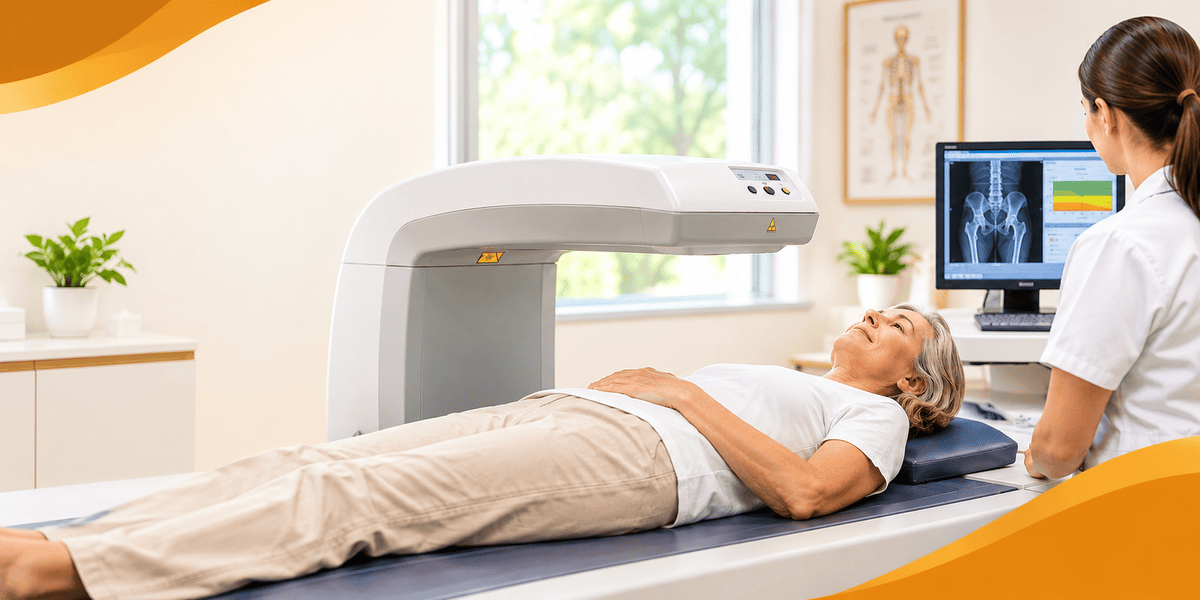
A Bone Mineral Densitometry (BMD) scan, also known as a DEXA scan, is a low-dose X-ray test that measures bone mineral density, typically at the hip and spine. The procedure is quick, simple, and non-invasive, usually taking around 10–15 minutes. In most cases, no special preparation or injections are required. Many patients find the scan straightforward and comfortable.
Who Might Consider One
GPs commonly refer patients for bone density scans based on factors such as age, menopausal status, family history, certain medications, or existing chronic health conditions. As of 2026, referral pathways for BMD scans have also broadened, with eligible nurse practitioners now able to request these services under Medicare, making it easier for some patients to access a scan through their usual care team rather than needing a separate GP visit first.
A Seasonal Reminder, Not a Diagnosis Tool for Everyone
World Osteoporosis Day’s global theme for 2026 focuses on building, protecting and strengthening bone health across a lifetime. It’s a good prompt to have a conversation with your GP about whether a bone density scan is appropriate for you, rather than something everyone needs at a set age. A scan provides useful information about bone density at a point in time; it isn’t a guarantee against fracture risk, and results are best interpreted by your doctor alongside your broader health picture and medical history.
What Happens After Your Scan
Once your scan is complete, results are sent directly to your referring GP, who will discuss what they mean for you and whether any follow-up is needed. Because bone density naturally changes over time, your GP may also suggest a repeat scan at a future interval depending on your individual risk factors.
Local Access Across the Network
Families in Pimpama, Coomera, Beenleigh, Yatala, Elanora, Palm Beach and Currumbin can access bone density scanning at any Radiant Radiology clinic, with results provided promptly to your referring GP for discussion. Having BMD available across all four of our Gold Coast and Logan locations means you can choose whichever clinic is most convenient, rather than needing to travel to a single specialist site.
Looking After Bone Health Day to Day
Alongside any imaging, general bone health is supported by adequate calcium and vitamin D, regular weight-bearing exercise, and avoiding smoking, simple habits worth discussing with your GP regardless of whether a scan is on the cards. World Osteoporosis Day is as much a reminder to think about these everyday habits as it is about testing.
Why Convenience Matters for This Age Group
For many patients considering a bone density scan, ease of access matters just as much as the test itself, particularly for those managing mobility concerns, coordinating appointments around caring responsibilities, or simply wanting to avoid a long drive. Having BMD available at Pimpama, Ormeau, Yarrabilba and Elanora means a straightforward, well-lit, ground-floor clinic experience is available close to home across the Gold Coast and Logan region, without needing to book into a hospital setting.
If your GP has referred you for a bone density scan, your local Radiant Radiology clinic can help you find a convenient appointment time. Contact us to book.